Professional Agri-Forestry Industry Insights | Global Intelligence Leader

Battery System In Poultry: Practical Guide for Poultry Buyers





A buyer researching battery system in poultry usually wants a clear answer to a practical question: will this housing method make daily farm management more orderly, or will it create new operating problems? The answer depends on the equipment specification, the house layout, the farm team, the climate, the cleaning routine, and the supplier's ability to support installation. A cage housing system can organize birds and work routines, but it still needs careful planning before purchase.
Some farms look at battery housing only as a way to place more birds in a given building. That view is too narrow. The equipment also affects feeding access, drinking consistency, manure handling, egg collection, ventilation, record keeping, and worker movement. When the system is planned well, the farm can inspect birds more consistently and reduce confusion inside the house. When it is planned poorly, maintenance becomes difficult and small faults can spread across rows.
Match the System to the Farm's Management Style
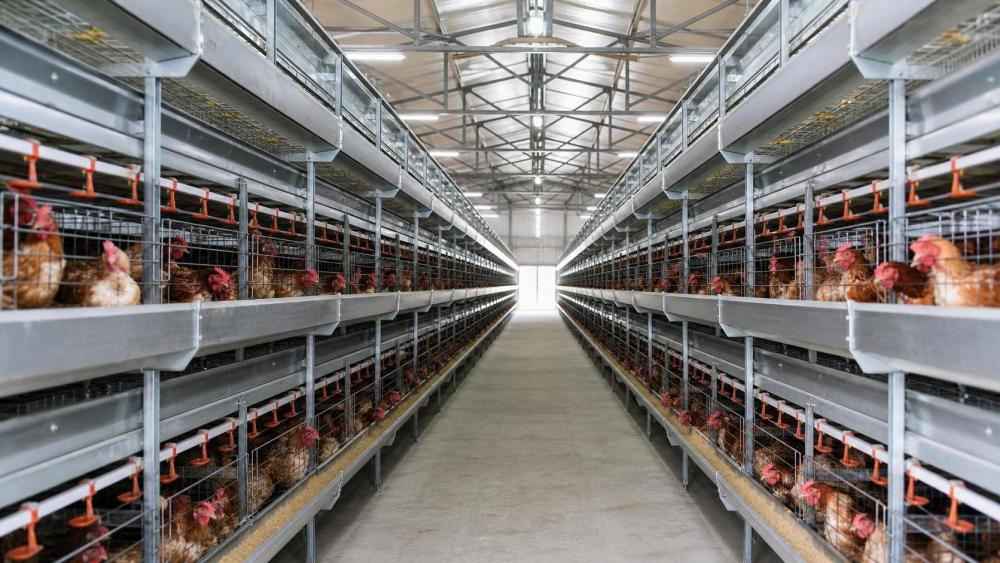
The first decision is not the number of tiers or the cage price. It is whether the farm can manage the daily routines that come with the system. A semi-automatic arrangement may be suitable for a farm with trained workers and moderate flock size. A more automated arrangement may fit a larger farm, but it also requires stronger attention to motors, belts, electrical controls, spare parts, and routine inspection.
Buyers should be honest about local labor availability, service access, and maintenance discipline. If replacement parts are difficult to obtain, a complicated system can become a risk. If workers are inexperienced, training and clear operating notes become part of the purchase. The best equipment choice is the one the farm can operate consistently, not the one that looks most advanced in a brochure.
Define the Scope Before Comparing Prices
A quotation may use the word system, but the actual scope can vary widely. One supplier may include cages only. Another may include feeders, drinkers, manure belts, egg collection parts, brackets, motors, and installation accessories. A third may include packaging and spare parts. Buyers should compare exactly what is included before treating two prices as equivalent.
A useful request for quotation should ask for cage model, bird capacity assumptions, frame material, wire details, drinking system, feeding system, manure removal method, installation hardware, packaging, and optional automation. The supplier should also identify what is not included. This prevents a low initial price from becoming a higher real project cost after missing items are added.
House Layout and Access Planning
A cage housing plan should begin with the building, not only the equipment list. Buyers need the internal width, usable length, roof height, door locations, column positions, sidewall openings, drainage, and possible feed storage area. Rows and aisles should be marked on a simple drawing before the order is confirmed. The plan should also show how workers reach every row for inspection and cleaning.
Aisle width is often underestimated. Narrow aisles may increase the number of cages that fit inside a house, but they can make daily work slower and less safe. Workers need space to inspect birds, repair drinkers, check feeders, remove mortality, and clean problem areas. If the layout blocks these routines, the farm may save space on paper while losing time every day.
Feeding, Drinking, and Bird Access
Feed and water access should be checked as part of the whole design. The feeding trough should be positioned so birds can reach feed without excessive waste. The drinking line should provide enough access and should be installed in a way that limits leakage. Small leaks can create wet manure, corrosion, and sanitation pressure, especially in multi-tier houses.
During supplier discussions, buyers should ask how feed distribution is balanced along the rows and how water pressure is managed. They should also ask what adjustments are needed as birds grow or as the flock changes. Good equipment still needs a simple inspection routine. Workers should be able to see whether feed is reaching all sections and whether drinkers are working properly.
Sanitation and Manure Management
Manure handling is one of the strongest reasons buyers consider cage housing. It should be planned carefully because sanitation affects bird comfort, odor, labor, and equipment life. A belt system may help remove manure regularly, but it requires alignment and motor access. A scraping or pit arrangement may have a different cost and labor profile. Manual cleaning may be possible on a small scale, but it should not be assumed without checking worker capacity.
Buyers should ask how manure moves out of the house and where it goes after removal. The answer should include the path inside the house, collection point, transport route, and cleaning frequency. If the house design leaves manure in hard-to-reach corners, sanitation work becomes harder after the flock is placed.
Ventilation and Climate Considerations
The cage arrangement can change airflow inside the building. Higher density, multiple rows, and tiered structures can create areas where heat, moisture, or ammonia are harder to control. Buyers should review sidewall openings, fan positions, air inlets, roof height, and local weather conditions before finalizing equipment and building changes.
Climate planning does not need inflated claims. It needs a practical explanation of how air enters, moves across the birds, and leaves the house. A supplier should be able to discuss whether the cage rows support or obstruct the intended airflow. If the farm is in a hot or humid region, drinking access and manure dryness should also be considered together with ventilation.
Supplier Review and Final Checks
Before placing an order, buyers should request drawings, component lists, packing lists, installation notes, and spare-part information. They should also ask how the supplier handles missing parts, damaged parts, and technical questions during installation. Good communication before shipment can prevent long delays after the equipment arrives.
It is also useful to assign one farm contact to manage technical questions, shipment photos, installation notes, and supplier replies. This keeps decisions traceable when several people are involved in the project.
A practical reference on battery system in poultry management can help buyers connect cage structure with feeding, drinking, sanitation, and daily inspection requirements before comparing supplier proposals.
Pre-Order Checklist
- Confirm bird type, flock size, target capacity, and production stage.
- Send accurate house dimensions, photos, and any building restrictions to the supplier.
- Request a drawing showing rows, tiers, aisles, doors, feeders, drinkers, and manure routes.
- Ask for cage material, coating, wire details, floor slope, and door design.
- Check whether feeders, drinkers, manure equipment, motors, and installation parts are included.
- Confirm spare parts, packing labels, installation guidance, and after-sales response method.
- Review the ventilation plan before the order is finalized.
- Prepare a receiving checklist before shipment arrives.
FAQ
Is battery housing only about saving space?
No. Space use is one factor, but the system also affects feeding, drinking, manure handling, inspection, egg collection, ventilation, and worker routines.
What should be included in a complete quotation?
A complete quotation should state cage specifications, feeding and drinking equipment, manure handling method, installation parts, packing, spare parts, and any optional automation.
Can an existing poultry house use this type of system?
Sometimes, but the internal dimensions, doors, roof height, wall openings, columns, drainage, and ventilation must be checked before confirming the layout.
How can buyers reduce installation risk?
Ask for drawings, component labels, packing lists, installation notes, and supplier support contacts. Inspect delivered parts before assembly begins.
Editorial Review Note
This article is buyer-facing guidance for poultry housing equipment and livestock management planning. It avoids fabricated prices, unsupported production claims, invented case numbers, and unverified supplier performance data. Final upload should be checked against the destination portal's house style before publication.
Related News
- 00
0000-00
How to Evaluate Livestock Automation Systems for Labor Savings and Animal Welfare - 00
0000-00
What Determines the Startup Budget for 1,000 Broilers in Nigeria? - 00
0000-00
How Poultry Cage Material and Design Affect Long-Term Farming Costs in Nigeria - 00
0000-00
Matching Automatic Chicken Cage Capacity to Layer Farm Scale - 00
0000-00
Poultry Cage in Nigeria: Matching A-Type Systems to Layer Farm Scale
Livestock Industry Editorial Team
Weekly Insights
Stay ahead with our curated technology reports delivered every Monday.