Professional Agri-Forestry Industry Insights | Global Intelligence Leader

Organic Produce Suppliers: How to Verify Consistency Before You Commit





Choosing reliable organic produce suppliers requires more than a quick price check. For buyers comparing corn prices today, reviewing food ingredients wholesale options, or assessing broader agricultural supply chains, consistency is the real benchmark. This guide explains how to verify product quality, delivery stability, certification credibility, and long-term value before you commit, helping procurement teams and decision-makers reduce risk and make smarter sourcing choices.
For most buyers, the key question is simple: can this supplier deliver the same acceptable quality, documentation, and timing not just once, but over repeated orders? If the answer is unclear, a low quote is not a real advantage. Before committing to an organic produce supplier, decision-makers should verify four things first: whether product quality stays stable across batches, whether certifications are current and traceable, whether supply capacity holds up during market volatility, and whether the supplier can support your business beyond the first transaction.
What Buyers Really Need to Verify Before Choosing Organic Produce Suppliers
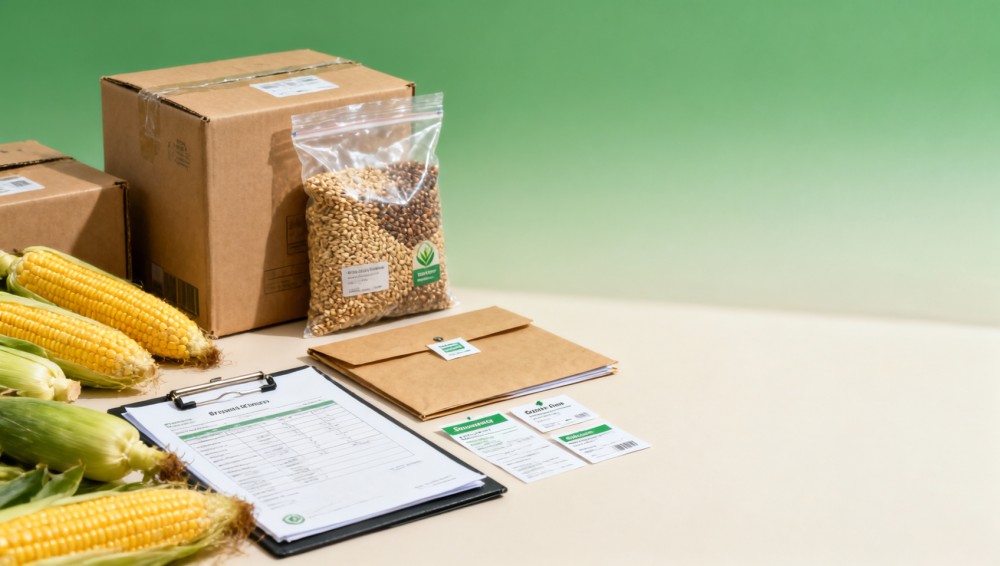
The search intent behind this topic is strongly commercial and evaluative. Readers are not looking for a general definition of organic sourcing. They want a practical way to screen organic produce suppliers before entering a purchasing agreement, especially when the risks involve inconsistent quality, missed delivery windows, weak documentation, or unexpected changes in pricing and availability.
For procurement teams, business evaluators, and company decision-makers, the biggest concerns usually include:
- Whether the supplier can maintain consistent quality across seasons and batches
- Whether organic certifications are valid, recognized, and applicable to the products offered
- Whether production and logistics capacity can support ongoing purchase volumes
- Whether quoted pricing reflects stable value or only a short-term sales tactic
- Whether the supplier has enough operational transparency to reduce sourcing risk
Because of these concerns, the most useful content is not broad industry background. What helps most is a clear verification framework: what to check, what documents to request, what warning signs to watch for, and how to compare suppliers beyond unit price.
Consistency Matters More Than the First Shipment
Many suppliers can prepare a strong first sample. The real test is whether they can deliver the same standard repeatedly. In organic produce, inconsistency can appear in size, appearance, moisture level, residue compliance, packaging, shelf life, and even documentation quality. For wholesale buyers and processors, these variations directly affect product acceptance, production planning, customer satisfaction, and margin control.
To verify consistency, ask for more than a current catalog and a single sample batch. Request:
- Shipment records from multiple recent orders
- Batch-level quality reports over a defined period
- Product specifications with tolerance ranges
- Customer references from buyers with recurring orders
- Complaint or return handling procedures
If you are sourcing fresh organic produce, it is especially important to compare quality performance by season. A supplier may perform well during peak harvest but struggle during transition periods, weather disruptions, or labor shortages. If you are sourcing processed ingredients or food ingredients wholesale, consistency should also include processing standards, storage conditions, and traceability through the supply chain.
A practical buyer approach is to evaluate three sample points instead of one: a current sample, a recent historical batch record, and a trial order under normal commercial conditions. That gives a more accurate picture than relying on presentation materials alone.
How to Check Whether Organic Certification Is Credible
Certification is essential, but many buyers make the mistake of treating any certificate as enough. In reality, you need to confirm whether the certification is valid, current, issued by a recognized body, and relevant to both the product and the destination market.
When reviewing an organic produce supplier, check:
- The name of the certifying organization
- Certificate validity dates
- The exact products covered by certification
- The production, processing, or handling scope included
- Whether the certification matches your import or retail market requirements
If your supply chain includes export, private labeling, repacking, or secondary processing, verify whether the supplier’s certification covers these activities. A certificate may be genuine but still insufficient for your commercial use case.
It is also wise to ask for audit history, corrective action records if available, and traceability procedures from farm or origin to shipment. A reliable supplier should be able to explain how lots are separated, labeled, stored, and documented to protect organic integrity. If answers are vague or documents are delayed without explanation, that should be treated as a sourcing risk.
Can the Supplier Stay Reliable When the Market Changes?
Price-sensitive buyers often monitor market signals such as corn prices today or other agricultural benchmarks to understand cost trends. That is useful, but market awareness should be combined with supply stability analysis. A supplier that looks competitive during normal conditions may become unreliable when crop yields tighten, freight costs rise, or export demand increases.
To judge operational reliability, ask questions such as:
- What is the supplier’s regular monthly or seasonal capacity?
- How much of that capacity is already committed to other buyers?
- What percentage of output comes from owned production versus contracted growers?
- How are weather, disease, or input shortages managed?
- What backup logistics or alternative sourcing arrangements exist?
Suppliers with stronger consistency usually have clearer planning systems, more realistic lead times, and better visibility into their upstream network. They can explain not only their best-case output, but also what happens under pressure. This matters for companies that depend on continuous supply for processing, retail programs, food service contracts, or export schedules.
Another useful check is delivery performance history. Ask for on-time delivery rates, order fulfillment rates, and examples of how disruptions were handled. A supplier that communicates early and resolves issues transparently is often more valuable than one that quotes low but reacts poorly under stress.
How to Compare Suppliers Beyond Price Per Unit
Price remains important, but procurement teams should evaluate total sourcing value instead of invoice price alone. The cheapest option may create hidden costs through inconsistent grading, repacking losses, compliance failures, delayed customs clearance, rejected shipments, or emergency replacement purchases.
A better comparison model includes these factors:
- Product acceptance rate
- Batch consistency over time
- Certification reliability and compliance fit
- Lead time stability
- Communication speed and issue resolution quality
- Packaging suitability and damage rate
- Traceability and documentation completeness
- Flexibility during seasonal fluctuations
This is especially relevant when comparing organic produce suppliers with conventional alternatives or mixed-category agricultural vendors. Organic procurement often carries a higher compliance and reputational burden, so risk reduction has measurable business value. A slightly higher price may be justified if it lowers rejection rates, improves planning confidence, and supports customer trust.
For internal decision-making, it helps to build a simple supplier scorecard. Weight the categories based on your business model. For example, a processor may prioritize input consistency and moisture control, while a retailer may prioritize appearance, shelf life, and labeling compliance. A trading company may focus more on documentation, shipping responsiveness, and export readiness.
What Questions Should You Ask Before Signing a Supply Agreement?
Before making a commitment, buyers should move from general evaluation to direct verification. The right questions can quickly reveal whether a supplier is operationally mature or simply good at sales communication.
Useful questions include:
- Can you provide recent batch specifications for the same product?
- How do you handle quality variation between harvest periods?
- Which certifications do you hold, and what exact products do they cover?
- What is your average fulfillment rate for repeat customers?
- How do you manage traceability from source to shipment?
- What happens if delivered goods do not meet agreed standards?
- Can you support scaling volume if our order increases?
- What are the main risks to your supply continuity this season?
The responses matter as much as the documents. Strong suppliers tend to answer clearly, provide evidence quickly, and acknowledge limitations honestly. Weak suppliers often overpromise, avoid specifics, or rely on generic claims such as “high quality” and “stable supply” without data.
A Practical Verification Process for Procurement and Evaluation Teams
If your company is reviewing multiple sourcing options, use a staged process rather than making a fast commitment after one promising contact.
- Initial screening: Review product range, certification status, market fit, and basic capacity.
- Document verification: Check certificates, specifications, audit records, and traceability documents.
- Sample and batch comparison: Compare current samples with historical performance data.
- Operational review: Evaluate supply capacity, lead times, logistics support, and communication quality.
- Trial order: Place a controlled initial order with clear acceptance criteria.
- Performance review: Measure quality consistency, documentation accuracy, and delivery execution.
- Contract decision: Commit only after the supplier proves repeatable performance.
This method is especially effective for businesses operating across agriculture, food ingredients wholesale, processing, distribution, and export channels. It turns supplier selection from a price negotiation into a risk-managed business decision.
Final Takeaway: Commit Only After Consistency Is Proven
When evaluating organic produce suppliers, the most important question is not whether they can offer a good deal today, but whether they can support your quality, compliance, and supply needs over time. Buyers who focus only on current quotes or attractive samples often miss the deeper indicators of supplier reliability.
The strongest sourcing decisions come from verifying consistency across product quality, certification credibility, delivery performance, and operational transparency. For procurement teams, business evaluators, and decision-makers, this approach reduces risk, improves supply chain confidence, and supports better long-term value.
In short, do not commit based on promise alone. Commit when the supplier has demonstrated repeatable performance that matches your business requirements.
Related News
- 00
0000-00
OECD Cuts 2026 Growth Outlook to 2.8%, Flags Hormuz Risk - 00
0000-00
How the Agri Supply Chain Works From Farm Inputs to Export Delivery - 00
0000-00
Agro-Processing Industry News Updates: Supply Chain Shifts and Export Risks to Watch - 00
0000-00
What Is Supply Chain Visibility and Which Metrics Matter Most for Import Planning? - 00
0000-00
How Agricultural Supply Chain Management Reduces Waste and Delays From Farm to Processor
Supply Chain Research Editorial Team
Weekly Insights
Stay ahead with our curated technology reports delivered every Monday.