Professional Agri-Forestry Industry Insights | Global Intelligence Leader






Introduction
Starting April 2026, Japan will see price hikes on over 2,500 food products, including instant noodles (up to 11%), alcoholic beverages (up to 20%), and other essential items, according to a survey by Teikoku Databank. The increases, driven by rising raw material, packaging, and labor costs, will directly impact importers, distributors, and retailers, potentially accelerating shifts toward alternative suppliers in lower-cost regions like China. This development is critical for businesses involved in food trade, procurement, and retail operations in Japan.
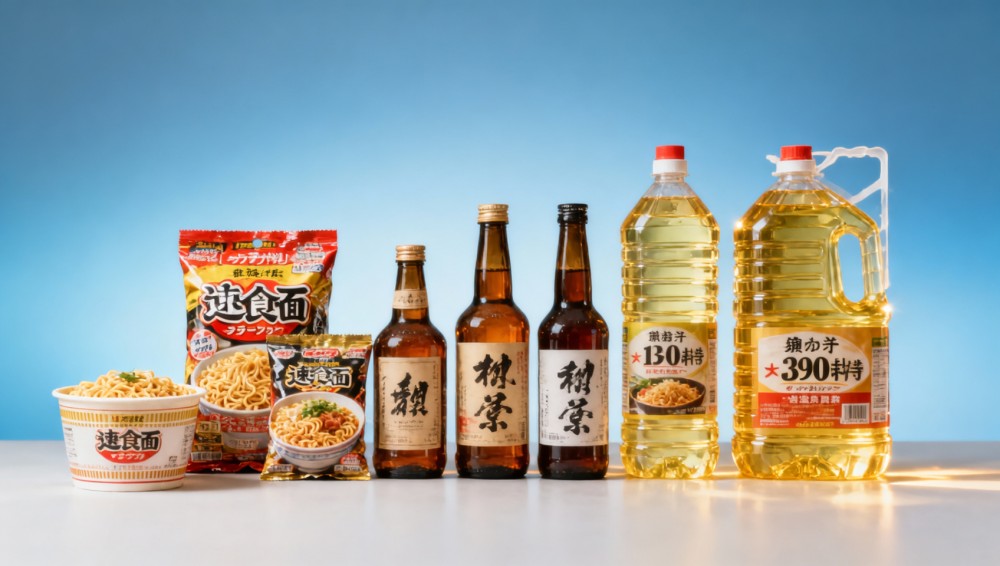
Event Overview
Teikoku Databank's survey confirms that 2,516 food products will undergo price adjustments in April 2026. The affected categories include instant noodles, beverages, cooking oils, and alcoholic drinks. The primary reasons cited are increased costs of raw materials, packaging, and labor. This marks one of the most significant waves of food price hikes in recent years, with implications for both domestic and international supply chains.
Impact on Sub-Sectors
Importers and Distributors
Importers and distributors will face immediate cost pressures, as the price hikes affect staple products with high demand. The increased costs may squeeze profit margins, forcing businesses to reassess procurement strategies or pass costs onto retailers and consumers.
Retail and Supermarket Chains
Retailers, particularly supermarket chains, will need to adjust pricing strategies to maintain competitiveness. The price increases may also lead to shifts in consumer purchasing behavior, with potential declines in demand for premium products.
E-Commerce and Cross-Border Trade
Cross-border e-commerce platforms sourcing Japanese food products may see reduced margins unless they find alternative suppliers. This could accelerate efforts to source compliant, lower-cost substitutes from markets like China.
Key Considerations and Recommended Actions
Monitor Supply Chain Adjustments
Businesses should track supplier announcements and assess whether the price hikes are temporary or part of a longer-term trend. Early negotiations with suppliers may help mitigate cost impacts.
Evaluate Alternative Sourcing Options
Importers and retailers should explore alternative suppliers in cost-competitive regions, ensuring compliance with Japanese food safety and labeling standards.
Adjust Pricing and Promotional Strategies
Retailers may need to revise pricing models or introduce promotions to offset potential demand fluctuations. Transparent communication with consumers about price adjustments could help maintain trust.
Editor’s Perspective / Industry Observation
From an industry standpoint, this wave of price hikes signals broader inflationary pressures in Japan’s food sector. While some businesses may absorb short-term costs, the trend could prompt structural shifts in sourcing strategies. Companies should treat this as an early indicator of potential supply chain realignments rather than an isolated event.
Conclusion
The April 2026 price adjustments highlight growing cost challenges in Japan’s food industry, with ripple effects across importers, retailers, and e-commerce platforms. Businesses should proactively assess their supply chains and pricing strategies to navigate these changes effectively.
Source Information
Primary source: Teikoku Databank survey (2026). Ongoing monitoring of official price adjustment announcements is recommended for further updates.
Related News
- 00
0000-00
Agricultural machinery news: which changes deserve attention now? - 00
0000-00
Plywood trade news shows where margins are getting tighter - 00
0000-00
What farming industry news from March 2026 reveals about policy-driven supply chain delays - 00
0000-00
Food processing industry news: Why co-packing capacity tightened in early 2026 - 00
0000-00
Not all farm subsidies are equal—how to verify if your machinery qualifies for 2026 disbursement
Industry Global
Weekly Insights
Stay ahead with our curated technology reports delivered every Monday.