Professional Agri-Forestry Industry Insights | Global Intelligence Leader

Maximizing Yield in Floor Rearing: Advanced Management Tips for Modern Poultry Farms





In the highly competitive global agribusiness sector, the drive to maximize the production of accessible dietary protein is relentless. While multi-tier, vertically integrated cage systems often dominate the conversation regarding high-density layer farming, modern floor rearing remains an absolutely critical and highly profitable methodology, particularly for broiler (meat bird) production and specific cage-free layer operations mandated by evolving global animal welfare regulations.
However, operating a commercial floor-rearing facility is not a return to archaic, low-tech farming. Today, managing tens of thousands of loose birds across a single horizontal plane requires extraordinary technological intervention. Without the physical compartmentalization provided by cages, the entire barn acts as a single, volatile biological reactor. Facility directors must perfectly balance thermodynamics, flock kinetics, and intense biosecurity protocols. This comprehensive operational guide dissects the advanced engineering systems and management strategies required to transform a basic barn into a highly calibrated, maximum-yield protein manufacturing asset.
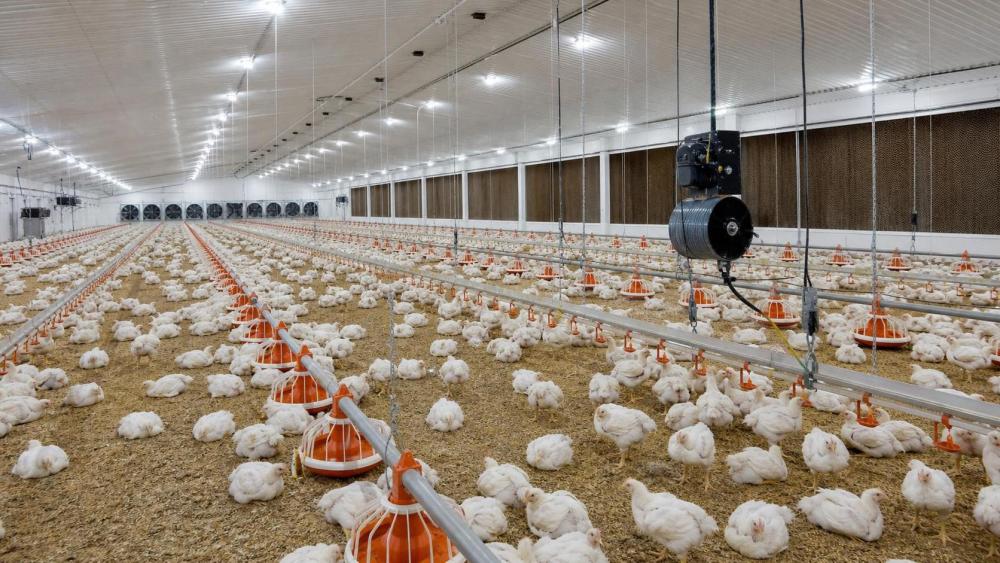
The Evolution of Floor Rearing Infrastructure
The fundamental flaw in historical floor rearing was the extreme reliance on manual labor and decentralized, inefficient equipment. Traditional hanging bell drinkers and manual feed troughs created chaotic flock behavior, localized zones of wet litter, and severe biological stress, ultimately crippling the Feed Conversion Ratio (FCR).
Modern industrial floor rearing relies entirely on centralized, automated infrastructure. The objective is to distribute resources—water, nutrition, and clean air—with absolute mathematical uniformity across the entire square footage of the barn. If a bird has to walk more than three meters to access a feed pan or a drinker nipple, it burns valuable caloric energy (which should be converted into muscle mass) and risks being outcompeted by more aggressive flock members.
Therefore, the capital investment phase must prioritize heavily engineered, automated lines that can be dynamically raised via centralized winches as the flock matures. Procuring the correct infrastructure is the foundational step of any successful poultry farm business plan. Utilizing advanced equipment not only minimizes the manual labor OPEX (Operational Expenditure) but mathematically guarantees that genetic growth potential is never throttled by mechanical resource scarcity.
Thermodynamic Control and Ventilation Mechanics
When 30,000 to 50,000 highly metabolic birds are massed on a single floor, the kinetic heat and moisture they generate are immense. Unlike cage systems where air can sweep through wire mesh, birds sitting on floor litter create a dense biological blanket. If the ambient thermodynamic energy is not systematically evacuated, the birds will rapidly enter heat stress, leading to a cessation of feeding, widespread respiratory distress, and sudden mortality spikes.
Mastering floor-rearing ventilation requires the implementation of advanced Computational Fluid Dynamics (CFD). Modern facilities utilize negative-pressure tunnel ventilation. This system employs massive exhaust fans at one end of the building and evaporative cooling pads at the opposite end.
The management tip here lies in the precise calibration of the static pressure. Farm operators must adjust the intake baffles to ensure the incoming air is thrown at a high velocity along the ceiling before it gently mixes and cascades down onto the flock. If the cold air drops too quickly, it chills the birds and creates wet litter; if the air speed is too slow, "dead zones" emerge where kinetic heat and toxic ammonia gas accumulate. Modern digital controllers monitor this via psychrometric sensors, constantly adjusting fan RPMs to maintain absolute thermal equilibrium at the bird level.
Precision Hydration: Nipple Drinker Technologies
Water is the most critical and heavily consumed nutrient in any avian operation, yet its delivery system is frequently the most mismanaged component in a floor-rearing barn. In a floor setup, water spillage is not just a waste of a resource; it is a biological catastrophe.
When water spills onto the floor litter (typically composed of wood shavings or rice hulls), it mixes with nitrogen-rich avian feces. This wet, warm environment triggers an immediate, explosive volatilization of ammonia gas (
To mitigate this, operations directors must abandon outdated bell drinkers and invest exclusively in closed, low-pressure nipple drinker lines equipped with drip cups. The management secret to maximizing yield with these systems is relentless height and pressure calibration. As the birds grow daily, the central winching system must elevate the lines so the birds are forced to reach up at a 45-degree angle to trigger the nipple pin. This ergonomic angle guarantees the water drops directly into the bird's beak, preventing capillary spillage onto the litter and safeguarding the entire facility's biosecurity baseline.
Automated Nutritional Delivery and FCR Optimization
In commercial broiler and cage-free layer operations, feed costs routinely account for up to 70% of the total operating budget. In a floor-rearing environment, feed wastage through scratching and billing (birds flicking feed out of the trough with their beaks) can silently bankrupt a farm.
Modern facilities utilize automated centerless auger systems that pull feed from massive external silos and distribute it rapidly into hundreds of circular pan feeders spread across the barn. The engineering of the pan feeder itself is critical; it must feature a specialized grill and an adjustable feed-saver lip that allows easy head access but physically prevents the bird from stepping into the pan or scratching the feed out.
A critical management tip for FCR (Feed Conversion Ratio) optimization is implementing "meal-time" or "block" feeding schedules rather than continuous, ad-libitum feeding. By allowing the pans to empty completely before triggering the auger to refill them, operators ensure that the birds consume the fine, powdery nutritional supplements that settle at the bottom of the pan, rather than just picking out the large, highly palatable corn and soy pellets. This practice guarantees a balanced intake of amino acids and minerals, drastically improving overall flock uniformity and harvest weight.
Litter Management and Biosecurity Protocols
In a cage-free or floor-rearing environment, the litter is essentially the most expansive and dynamic organ of the entire barn. It serves as bedding, a moisture sink, and a behavioral substrate for natural dust-bathing. Managing its chemical and physical state is the ultimate test of a farm director's competence.
Ideal litter should maintain a moisture content between 20% and 25%. If it becomes too dry (below 15%), it generates massive amounts of airborne dust, leading to severe respiratory lesions and high condemnation rates at the processing plant. If it exceeds 30% moisture, it "caps" or "cakes," creating a hard, slippery, and highly toxic surface that causes severe footpad dermatitis (pododermatitis) and hock burns, significantly degrading the market value of the meat.
Advanced litter management requires proactive tilling or "crusting" using specialized mechanical equipment to break up damp spots before they solidify. Furthermore, operators must utilize chemical litter amendments (such as sodium bisulfate) prior to chick placement. These acidifying agents lower the pH of the litter matrix, chemically neutralizing the bacteria responsible for converting uric acid into volatile ammonia, thereby securing the respiratory health of the flock throughout the critical early growth phases.
Conclusion
The successful execution of commercial floor rearing is a complex, multidisciplinary endeavor that sits at the intersection of biological science and industrial engineering. While the birds may roam freely within the barn, every aspect of their environment must be rigidly controlled and meticulously calibrated.
By prioritizing advanced, automated infrastructure—from thermodynamic tunnel ventilation and low-pressure nipple drinkers to precision auger feeding systems—farm operators can effectively neutralize the inherent risks of horizontal rearing. For agribusiness investors and facility directors, mastering these operational mechanics and strict biosecurity protocols is the definitive formula for maximizing genetic yield, achieving superior feed conversion ratios, and ensuring a highly profitable return on investment in the global protein market.
Got questions about this industry topic or seeking best practices for your business? Drop us a line below, and let the expert team at AgriTrade help you out.
We respect your privacy. Your information is strictly confidential.
Related News
- 00
0000-00
US Cattle Herd Falls to 75-Year Low as Beef Prices Rise - 00
0000-00
Chicken House Size in Meters: Planning for 1,000 Caged Layers - 00
0000-00
Livestock Breeding Technology: How AI and Genomic Selection Work - 00
0000-00
What Is a Husbandry System? Housing, Feeding, and Grazing Explained - 00
0000-00
Feed Storage Loss Reduction: Controlling Moisture, Mold, and Pests
0000-00
Livestock Industry Editorial Team
Weekly Insights
Stay ahead with our curated technology reports delivered every Monday.