





Which pest alerts matter most when sourcing wheat from the Black Sea region? Prioritize destination quarantine restrictions, shipment infestation evidence, and damage affecting processing performance.
For grain buyers and importers, the critical distinction is between alerts that threaten cargo admissibility and field reports that mainly influence availability or quality.
Stored-grain insects can create treatment requirements and shipment disputes, while Sunn pest damage can weaken dough performance even when routine protein specifications look acceptable.
The practical approach is to connect each alert with the destination, actual supply chain, cargo evidence, and contract obligations before committing money or vessel capacity.
Which Alerts Should Change Your Buying Decision First?
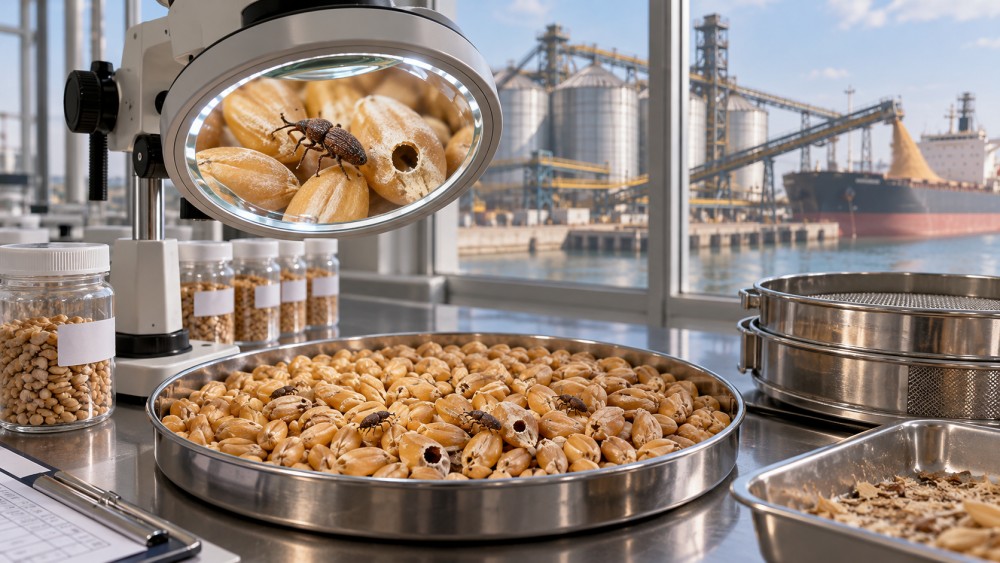
The highest-priority alert identifies a regulated pest or restriction relevant to your importing country, wheat shipment, origin, or transit route under current official requirements.
Next come credible findings of live insects in the offered lot, loading facility, or transport equipment, particularly where inspection coverage or treatment effectiveness remains uncertain.
Field pest warnings deserve greater attention when they concern the supplier’s procurement area and indicate damage that your intended milling or feed application cannot tolerate.
A dramatic regional headline should not automatically outweigh a modest inspection finding. The inspection may directly concern your cargo, while the headline concerns distant fields.
Conversely, a clean commercial inspection cannot override a destination prohibition. Legal admissibility and cargo condition require separate checks, and both must support the purchase.
Use three questions to rank alerts: does the rule apply, does the evidence concern this supply chain, and could the consequence materially affect delivery?
This approach keeps procurement attention on rejection exposure, treatment feasibility, processing losses, and contractual responsibility rather than the volume of pest-related news coverage alone.
Where Can Buyers Verify Whether an Alert Actually Applies?
Start with the importing country’s national plant protection organization, current import conditions, and any permit issued for the shipment. These establish the applicable requirements.
Check the exporting country’s plant protection authority for official pest reports and certification procedures. International Plant Protection Convention resources can provide additional official context.
For destinations within their scope, regional plant protection organizations and official interception databases can support investigation. They do not replace current destination import conditions.
Read the notification’s date, scientific pest name, affected commodity, geographic coverage, and regulatory status. A report concerning another crop may have limited relevance to wheat.
Distinguish an outbreak announcement from a border interception, surveillance finding, or emergency import measure. Each describes different evidence and may require a different response.
Black Sea wheat is a trading description, not one phytosanitary jurisdiction. Requirements can differ by production origin, exporting country, transit arrangements, and intended use.
Ask your customs broker or phytosanitary adviser to resolve unclear wording with the competent authority, documenting the applicable interpretation before shipment commitments become expensive.
Which Stored-Grain Insects Deserve Immediate Attention?
Grain weevils, including species within Sitophilus, and the lesser grain borer, Rhyzopertha dominica, deserve attention because they can damage kernels and develop within grain.
Hidden stages complicate inspection: a surface sample without visible adults does not establish that the entire lot is free from infestation or emerging insects.
Other stored-product beetles and moths can indicate storage problems, contamination, or damaged grain. Their regulatory importance depends on species identification and the destination’s rules.
Request the scientific identification when an inspection reports insects. Labels such as “beetles present” provide too little information to judge quarantine significance or treatment suitability.
Record whether insects were alive or dead, where they were found, and how sampling occurred. These details affect both compliance assessment and commercial remedies.
Do not assume dead insects are automatically acceptable. Contract specifications, food hygiene expectations, and destination requirements may still address insect fragments or other contamination.
Escalate repeated findings across warehouse samples, conveyor points, and loading inspections. A recurring pattern suggests a broader control problem requiring investigation before cargo acceptance.
When Does Sunn Pest Damage Become a Milling Risk?
Sunn pest, commonly associated with Eurygaster species, matters primarily because feeding damage can introduce enzymes that impair gluten functionality and reduce breadmaking performance significantly.
A wheat lot can therefore meet a protein percentage target while performing poorly in dough handling. Protein quantity alone does not establish processing suitability.
The commercial relevance depends on damaged-kernel levels, wheat characteristics, blending plans, and the buyer’s end product. Avoid treating one damage percentage as universally acceptable.
Ask for a representative assessment of insect-damaged kernels, supported by processing tests appropriate to your mill. Agree on methods and acceptance criteria before loading.
Depending on the application, useful evidence may include gluten quality assessment, sedimentation testing, dough rheology, or trial baking interpreted by a qualified cereal laboratory.
Do not use falling number as a stand-alone screen for Sunn pest damage. It primarily reflects alpha-amylase activity and does not establish gluten integrity.
For feed purchases, breadmaking performance may matter less, but overall quality, contamination, nutritional value, and legal requirements still determine whether the lot is suitable.
How Should Buyers Handle Khapra Beetle and Other Quarantine Concerns?
Khapra beetle, Trogoderma granarium, warrants particular care wherever the destination regulates it. Its significance comes from quarantine consequences and its ability to persist in facilities.
Its inclusion in a buyer’s checklist does not establish that it occurs in a particular Black Sea origin. Verify pest status through official sources.
A credible concern may involve a regulated origin, previous cargoes, storage premises, transport equipment, or an interception. Investigate the specific pathway rather than assuming regional prevalence.
Where an authority requires additional declarations, specified treatments, or approved facilities, obtain documentary confirmation that the shipment can satisfy those conditions before finalizing procurement.
If a suspect organism is detected, seek competent identification and official guidance. A supplier’s assurance that routine fumigation will solve the issue is insufficient.
Some destinations also regulate other insects, pathogens, or weed seeds associated with grain. A checklist focused only on familiar beetles can miss an entry requirement.
Keep quarantine review separate from pesticide residue and mycotoxin checks. These risks can overlap operationally, but they require different evidence, limits, and corrective actions.
What Evidence Should You Request Before Signing the Contract?
Build a document package that links the offered wheat to its production origin, storage history, inspection results, and intended export route with consistent identifiers.
At minimum, request available origin and storage records, recent inspection reports, sampling details, insect identification where relevant, and any proposed fumigation or other treatment arrangements.
Specify which documents must be delivered later, including the phytosanitary certificate where required, final loading inspection, treatment records, and any destination-mandated declarations or supporting documents.
A phytosanitary certificate records official certification against applicable requirements within its scope. It does not establish every commercial quality characteristic or guarantee future cargo condition.
Likewise, a fumigation certificate documents a treatment event. Its value depends on accurate cargo identification, the treatment procedure, execution records, and acceptance by relevant authorities.
Check that lot references, quantities, dates, locations, and vessel or container details agree across documents. Investigate discrepancies before treating the paperwork as adequate evidence.
Define responsibility for inspection costs, treatment, delays, discharge problems, and rejection in the contract. Have trade and legal specialists align those provisions with delivery terms.
How Can Buyers Judge Whether Fumigation Was Adequate?
Begin with legality and destination acceptance. An effective pest-control method still creates a commercial problem if the importing authority does not accept its use.
Then examine whether the procedure suited the pest, grain temperature, cargo configuration, enclosure conditions, and available exposure period. These factors influence treatment performance materially.
Phosphine resistance occurs in some stored-grain pest populations. A history of repeated treatments or surviving insects should prompt specialist review rather than automatic retreatment.
Ask the licensed treatment provider for the relevant application and monitoring records. A certificate stating only that fumigation occurred provides limited evidence of execution.
For in-transit treatment, verify that the procedure is permitted and compatible with vessel operations, required exposure, safe ventilation, and arrangements at the discharge port.
Fumigants are hazardous and require qualified professionals. Procurement teams should verify competence, records, and compliance rather than prescribe application rates or direct treatment operations.
Finally, assess reinfestation controls after treatment. Contaminated conveyors, storage areas, residues, or transport equipment can undermine an otherwise satisfactory treatment before the buyer receives cargo.
What Should Trigger Acceptance, Further Checks, or a Loading Hold?
Accept the pest-risk position when applicable requirements are clear, cargo evidence is satisfactory, relevant quality tests meet specifications, and documents consistently identify the shipment.
Request further checks when evidence is incomplete but the uncertainty is resolvable, such as an unidentified insect, outdated inspection, or unclear linkage between samples and cargo.
Hold loading when there is an unresolved prohibition, a credible regulated-pest finding, unacceptable live infestation, or missing mandatory certification that prevents lawful import clearance.
A hold should lead to a defined decision: obtain authoritative clarification, verify an accepted corrective treatment, replace the lot, or decline the purchase where necessary.
For example, a district-level Sunn pest warning may justify additional milling tests. Live insects in loading samples may require immediate inspection and treatment decisions.
Set the final verification point close enough to loading to reflect actual cargo condition, and establish how subsequent findings will be reported and addressed.
The most useful Black Sea wheat pest alert connects an applicable requirement or credible finding to your cargo. Prioritize that connection, then verify the response.
Buying decisions improve when quarantine compliance, infestation control, and processing quality each have clear evidence. A lower offer price cannot compensate for an unusable shipment.