Professional Agri-Forestry Industry Insights | Global Intelligence Leader

Jiangsu Q1–Q3 2026 Farm, Forestry, Livestock and Fishery Output Up 3.7% to CNY 569.22bn





According to the supplied information, the Jiangsu Provincial Bureau of Statistics released figures on October 25 showing that agriculture, forestry, animal husbandry and fishery output reached CNY 569.22 billion in the first three quarters of 2026, increasing 3.7% year on year at comparable prices. The announcement describes broadly stable agricultural production but identifies no new policy, certification requirement or trade rule. From an industry perspective, its relevance lies in how buyers, processors and supply chain operators assess supply conditions while continuing to verify the requirements applicable to individual transactions.
Output Growth Accompanied by Stable Production Conditions
The supplied figures put Jiangsu’s total output value for agriculture, forestry, animal husbandry and fisheries at CNY 569.22 billion for the first three quarters of 2026. Growth of 3.7% was calculated at comparable prices.
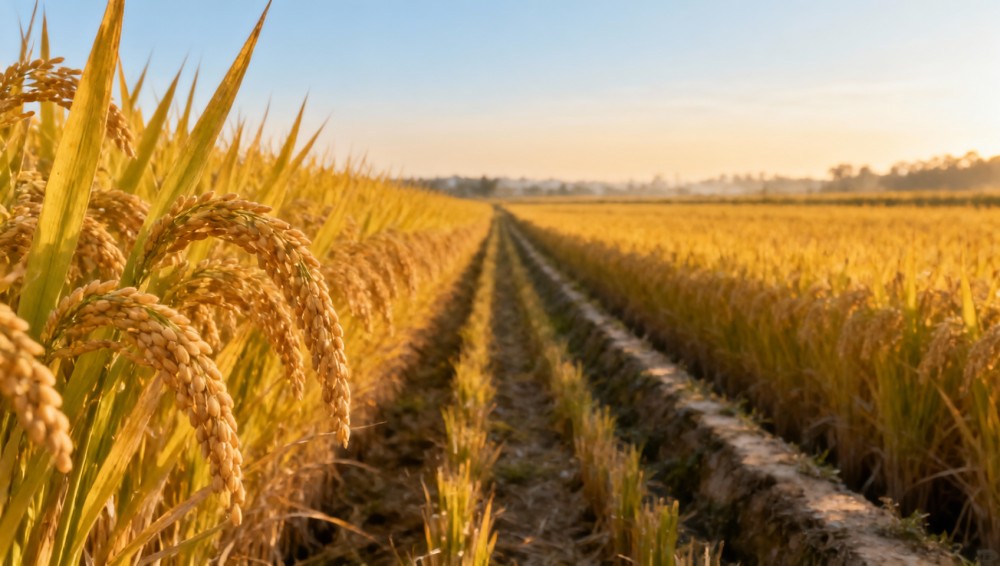
The supplied summary describes a sound planting foundation for autumn grain and a generally stable production situation. It also reports stable livestock production with some growth, presenting an overall picture of steady agricultural and livestock activity during the reporting period.
Procurement Implications Depend on Product-Level Evidence
Grain buyers may reassess supply assumptions
Analysis suggests that the reported planting conditions could provide useful context for grain procurement planning. However, the summary does not establish final harvest volumes, product quality, available inventories or quantities offered for sale. Buyers could therefore use the release as a reason to review supplier availability and delivery plans, while seeking evidence for the specific products they intend to purchase. It provides no basis for assuming that purchasing documentation or acceptance requirements have changed.
Livestock processors may review delivery capacity
From an industry perspective, stable livestock production with some growth may help inform discussions about sourcing continuity. Processors and distributors could check whether individual suppliers can support planned quantities, specifications and delivery schedules. The aggregate figures do not establish supplier qualification, product conformity or a change in inspection or certification procedures.
Traders and logistics providers need transaction-specific confirmation
Analysis suggests that trading and supply chain businesses may find the release useful when reviewing sourcing plans. Nevertheless, it does not confirm additional tradable supply, revised transport needs or changes to export eligibility. Any procurement or shipment adjustment would need support from supplier commitments and the requirements applicable to the relevant transaction. No new customs, trade or certification procedure is identified in the supplied material.
Three Checks Before Adjusting Purchasing Plans
Separate output value from deliverable quantities
As a practical recommendation, buyers could compare the aggregate growth signal with supplier quotations, available quantities and proposed delivery dates. The reported output value and comparable-price growth rate do not, by themselves, establish the volume available for a particular order. They also provide no direct evidence of changes in purchasing prices.
Verify documents against the actual product and contract
For businesses considering new orders or supplier changes, a reasonable precaution would be to review the qualification records, product documents and acceptance evidence relevant to those transactions. This is an analytical recommendation, rather than a newly announced obligation. The supplied release does not identify revised document formats, testing requirements or certification criteria.
Look for explicit notices before changing compliance procedures
Businesses assessing possible regulatory implications could monitor subsequent official notices for any specific change affecting production, purchasing, inspection or trade. Any such development would need separate verification of its scope and implementation arrangements. The statistical release described here does not establish a new compliance deadline or an amended operating requirement.
A Production Indicator Without an Announced Rule Change
At this stage, it is more appropriate to understand the announcement as a production and economic indicator. The supplied information does not support classifying it as a policy implementation measure, a regulatory enforcement signal or a change in market access.
Analysis suggests that its immediate value is to help businesses frame questions about supply reliability. Further information on autumn grain outcomes, livestock availability and supplier delivery performance could affect procurement judgments. Any later policy or regulatory announcement would require a separate assessment; its existence or direction cannot be inferred from the output figures.
Use the Figures to Inform Verification and Planning
From an industry perspective, the reported growth and stable production conditions offer context for reviewing agricultural sourcing and delivery plans. A proportionate response would be to validate supplier capacity and transaction documentation before revising purchasing commitments. The supplied announcement supports an assessment of production conditions, but it does not establish a change in certification, trade access or compliance obligations.
Basis of the Article and Further Verification
This article is based solely on the user-provided news title, event period and event summary. The supplied material attributes the October 25 release of the first-three-quarter 2026 figures to the Jiangsu Provincial Bureau of Statistics. No specific official source link was provided in the input, so the release and its details remain subject to further verification.
Relevant material for subsequent checks would include the original statistical release and any separately issued official policy or regulatory notices. Further observation could focus on production updates, supplier delivery performance and industry feedback. If later notices introduce changes to certification, procurement documentation or trade procedures, their requirements and implementation would need to be verified independently.
Got questions about this industry topic or seeking best practices for your business? Drop us a line below, and let the expert team at AgriTrade help you out.
We respect your privacy. Your information is strictly confidential.
Related News
- 00
0000-00
Crop Protection in India: Common Pests and Ways to Manage Them - 00
0000-00
China Raises Corn Industrial Consumption Estimate in November CASDE Report - 00
0000-00
USDA Awards $1.8 Million for Four Alternative Crop Research Projects - 00
0000-00
November 5 Farm Wholesale Price Index Dips 0.02 Points; Pork Falls 1.3% - 00
0000-00
Agricultural Wholesale Price Index Rises to 111.44 on November 2
0000-00
Agriculture Industry Editorial Team
Weekly Insights
Stay ahead with our curated technology reports delivered every Monday.