Professional Agri-Forestry Industry Insights | Global Intelligence Leader

What the Latest Packaging Supply Chain Data Reveals About 2025 Sourcing Risks





As global markets adapt to shifting China-U.S. Trade Talks and the evolving dynamics of Agricultural Trade, the latest packaging supply chain analysis uncovers critical insights into 2025 sourcing vulnerabilities. From Soybean Trade and Livestock Imports to Agricultural Foreign Trade, understanding packaging materials price trends, flexible packaging technology insights, and printing industry regulations is key for procurement and decision-makers. This report also explores packaging export updates that could reshape risk strategies across agriculture and related light industries.
Global Packaging Supply Chain Trends and Data Overview
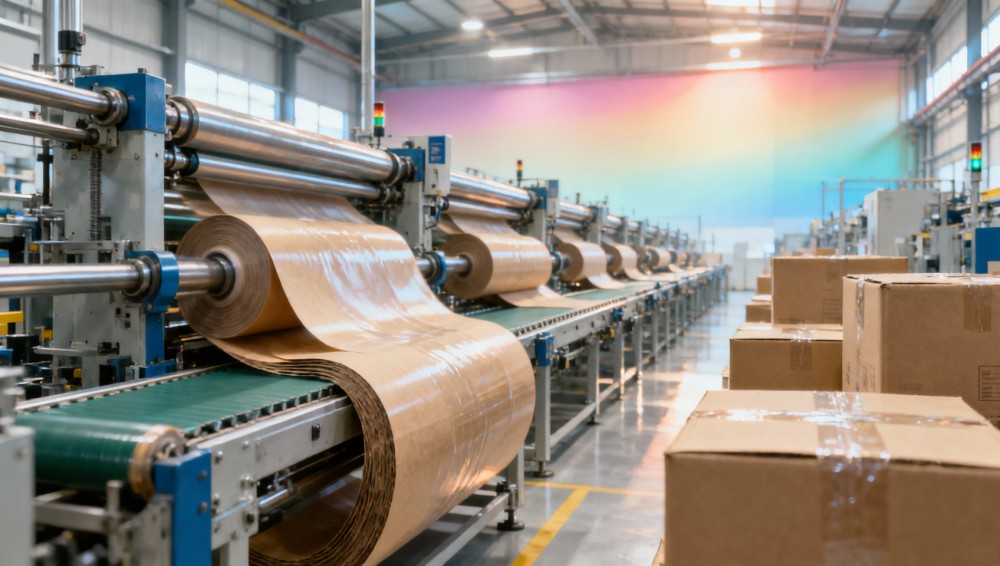
Packaging materials play a crucial role in agricultural, forestry, and fishery product logistics. In 2024, data from cross-industry trade reports showed an average 8–12% fluctuation in raw material costs like paper pulp, polyethylene, and metal foils. These variations have directly influenced total packaging cost structures in both domestic and export scenarios. By early 2025, analysts project that regional logistics disruption and port congestion could increase material procurement cycles by 3–5 weeks compared to 2023.
For procurement professionals in feed packaging, fertilizer labeling, and processed food export, updated data signals an increased need for diversified supply bases. The Asia-Pacific region currently accounts for approximately 42% of global agricultural packaging output, while Europe holds about 26%, driven by stricter sustainability regulations. This geographical fragmentation introduces new risk factors for sourcing security and compliance assurance.
To better illustrate the evolving structure, the following table compares regional sourcing characteristics across materials, delivery cycle, and volatility risk in late 2024:
The data indicates Asia-Pacific remains the fastest yet most volatile source. Europe offers steadier pricing but longer delivery times. For agricultural exporters who rely on synchronized packaging and perishable cargo timelines, adjusting buffer inventory by at least 10–15% is suggested to offset these supply variations.
Material Innovations and Technical Shifts in Agricultural Packaging
In 2025, the main focus areas for packaging technology in the agriculture and fishery sectors are recyclability rate improvement, moisture resistance, and digital printing accuracy. Polyethylene-based flexible films, traditionally used for feed and seed packaging, now compete with bio-compostable films offering 70–80% degradation efficiency within 6–9 months under industrial composting conditions.
Additionally, ultraviolet (UV) protection in transparent film packaging has increased durability by approximately 20%, useful for marine product packaging that travels in exposed containers. For forestry and light-industry firms, advances in inkjet printing at speeds of 120–160 m/min improve labeling accuracy and traceability compliance with ISO 9001 and HACCP standards.
To enable comparison, the following table outlines three common packaging materials and their technical performance for agricultural applications:
Procurement teams should weigh between immediate sealing performance and long-term sustainability goals. For instance, animal feed packaging may prioritize shelf life and sealing integrity within ±2% moisture tolerance, while vegetable exporters emphasize compostable compliance to meet the EU's single-use reduction directive.
Procurement and Risk Evaluation Criteria for 2025
Entering 2025, sourcing managers are encouraged to update their evaluation models across five practical dimensions: cost predictability, environmental compliance, transportation resilience, supplier diversification, and regulatory alignment. Among these, environmental compliance has risen by roughly 15–20% in weight within tender scoring systems due to global carbon labeling trends.
An effective risk evaluation routine for agricultural packaging procurement should include at least four operational stages:
- Stage 1: Supplier verification within a 7–14 day timeline focusing on country-of-origin documentation and performance history.
- Stage 2: Material testing encompassing tensile strength, moisture rate, and migration safety under 10℃–35℃ conditions.
- Stage 3: Budget review accommodating ±5% currency fluctuation projection for imported raw materials.
- Stage 4: Final compliance check with agricultural packaging codes such as GB/T 10004 or ISO 18602.
These checkpoints ensure transactions remain traceable and compliant even when overseas suppliers experience supply shocks or regulatory revisions. For light industries connected with agricultural value chains—like feed additive and fertilizer bag vendors—adopting a 2–3 supplier redundancy model reduces overall exposure to single-region disruptions by up to 30%.
Cost Strategies and Emerging Alternatives
Fluctuating resin and paper pulp prices are expected to compress profit margins in 2025 by about 5–7% for medium-sized agribusiness exporters. Cost-saving strategies involve transitioning to modular design packaging or integrating digital inks capable of batch-variable print runs under 2000 units—a technique now common in forestry and sideline product exports.
A three-level alternative consideration can help procurement teams realign sourcing frameworks:
- Level 1 — Material Swap: Replace multilayer PE with hybrid recyclable composites featuring 8–10 micron aluminum barriers.
- Level 2 — Supplier Consolidation: Merge regional contracts to achieve 3–5% cost leverage per quarter through bulk negotiation.
- Level 3 — Automation Adoption: Implement packaging automation with 2–4 programmable stages, shortening setup time by 25–35% in export packing lines.
Such structured approaches can yield desirable balance between sustainability, quality control, and operational efficiency, thereby improving the total cost of ownership (TCO) over 12–18 months.
FAQ: Common Sourcing Questions for 2025 Packaging Buyers
What certifications should agricultural packaging suppliers hold in 2025?
Suppliers should comply with ISO 9001 for quality, ISO 14001 for environmental management, and in food-contact cases, relevant EU Regulation No. 10/2011 or FDA Grade standards. A minimum of two compliance frameworks adds inspection reliability and cross-border acceptance.
How long does supplier qualification typically take?
The average qualification process lasts 3–4 weeks, including documentation review, small-batch testing (1–2 metric tons), and contractual sample registration. Digital verification can reduce administrative time by roughly 20%.
What are the main cost drivers in packaging for agricultural exports?
Primary drivers include resin and paper pulp pricing (40–45% of total cost), logistics fuel surcharges (20–25%), and compliance labeling adjustments (5–8%). A quarterly monitoring mechanism is recommended to forecast profitability accurately.
How should sustainability goals influence purchasing decisions?
Procurement officers should allocate at least 10–15% of total packaging spend to certified eco-materials by mid-2025 to align with carbon-reporting requirements and reduce future regulatory exposure.
Why Partner with Us for Agricultural Packaging Intelligence
Our platform integrates real-time policy tracking, trade analysis, and technical updates from agriculture, forestry, animal husbandry, side-line, and fishery sectors. This enables procurement teams and decision-makers to access synchronized insight into price movements, compliance frameworks, and innovation pipelines.
We assist buyers and suppliers in validating parameters such as barrier strength, print precision, and supply continuity—key factors influencing sourcing stability in 2025. Consult us for:
- Customized parameter confirmation for flexible and rigid packaging materials.
- Selection guidance aligning performance, cost, and durability standards.
- Advisory on trade documentation, harmonized coding, and compliance updates.
- Lead-time optimization through local sourcing and schedule synchronization.
Through continuous data surveillance and cross-sector research, we aim to reduce packaging procurement uncertainty, promote technical balance between sustainability and cost, and support strategic decision-making for the agriculture-linked light industries moving into 2025.
- printing industry
- packaging materials
- flexible packaging
- packaging export updates
- packaging materials price trends
- printing industry regulations
- flexible packaging technology insights
- packaging supply chain analysis
- Agricultural Trade
- Agricultural Foreign Trade
- China-U.S. Trade Talks
- Soybean Trade
- Livestock Imports
- animal feed
- agricultural exports
- agricultural value chain
Related News
- 00
0000-00
Which input prices pose the biggest risk to food industry margins? - 00
0000-00
Soybean Imports: How Buyers Can Assess Origin Risk, Quality, and Landed Cost - 00
0000-00
Middle East Dairy Products Market: Demand Drivers and Import Opportunities - 00
0000-00
How to Vet Animal Feed Importers for Reliable Supply and Regulatory Compliance - 00
0000-00
Building Agricultural Value Chain Traceability From Farm Records to Retail
Supply Chain Research Editorial Team
Weekly Insights
Stay ahead with our curated technology reports delivered every Monday.