Professional Agri-Forestry Industry Insights | Global Intelligence Leader

USDA Urges States to Ease Dyed Diesel Road Restrictions to Cut Harvest Costs





On October 29–30, 2026, U.S. Agriculture Secretary Brooke Rollins urged state governors to waive restrictions on the road use of dyed diesel alongside temporary federal tax relief from the Internal Revenue Service (IRS). The initiative is intended to reduce fall harvest fuel costs for farmers and carriers, making the scope of state action and its interaction with federal relief important considerations for fuel procurement and transport planning.
Federal Relief and State Action
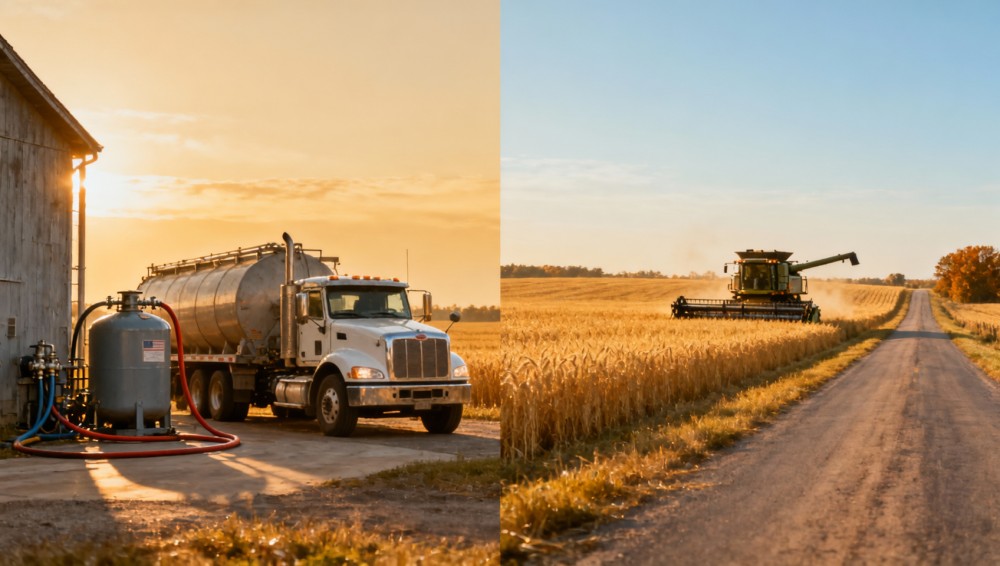
Rollins wrote to state governors urging them to waive restrictions on the road use of dyed diesel in conjunction with the IRS's temporary federal tax relief measure. By the end of October, 31 states had taken action. The combined relief is expected to total approximately $640 million and is intended to lower fuel costs for farmers and carriers during the fall harvest.
Where Fuel and Transport Decisions May Change
Harvest Fuel Purchasing
From an industry perspective, farmers may have reason to reassess fuel purchasing for harvest-related activity where state action and federal relief apply. Potential savings would depend on the applicable measures and the fuel available for the intended use. The supplied information does not establish eligibility criteria or the terms of any individual state's action.
Carrier Routing and Delivery Costs
Analysis suggests that carriers involved in harvest transport may need to review whether road use of dyed diesel is permitted for their operations in the relevant states. Any effect on delivery costs remains uncertain until the applicable state and federal terms are verified. Routes involving more than one state may merit particular attention because the information provided does not establish a uniform approach across states.
Fuel Supply and Distribution
Fuel suppliers and distributors may face changes in purchasing inquiries as customers assess whether they can use dyed diesel on the road. They may need to confirm the applicable terms with customers before adjusting orders or delivery plans; neither a change in demand nor an increase in supply is established by the information provided.
Checking the Terms Before Changing Plans
Confirm State-Specific Action
Businesses can check the current position in each state relevant to their operations, including whether an action covers their intended road use and when it applies. The reported action by 31 states does not, by itself, establish the scope or duration of each measure.
Review Federal Relief Alongside State Rules
Farmers and carriers may wish to verify the terms of the temporary IRS tax relief separately from any state waiver. The supplied summary does not specify the relief period, eligibility conditions or administrative procedures, so the interaction between federal and state measures should be checked before operational decisions are made.
Reassess Orders and Transport Arrangements
After verifying applicable terms, purchasers and carriers can evaluate whether existing fuel orders, delivery arrangements and route plans remain appropriate. They may also review what records or documentation are relevant under the measures that apply; no specific documentation requirement is established by the supplied information.
Implementation Remains the Key Question
As an editorial assessment, the development is best understood as a combination of reported state action and a continuing federal request, rather than evidence of a uniform nationwide waiver. The expected $640 million in combined relief is an estimate, not a confirmed amount received by businesses. State-specific terms, the operation of federal relief and feedback from affected businesses remain important to assessing the practical effect.
A Conditional Opportunity for Harvest Operations
The initiative points to a possible reduction in harvest fuel costs, but its value to an individual farmer, carrier or supplier cannot be determined from the available summary alone. The prudent interpretation is to treat it as a developing policy and execution signal: verify the applicable measures before changing fuel purchases or road-use plans, and continue monitoring implementation.
Basis for This Report
This article is based on the user-provided news title, event dates and summary. No specific official source link was provided in the input, and the information requires continued verification. Relevant follow-up material could include official announcements and regulatory releases, as well as reporting on implementation and industry feedback. Particular attention should be paid to policy details, state execution, federal relief terms and business experience.
Got questions about this industry topic or seeking best practices for your business? Drop us a line below, and let the expert team at AgriTrade help you out.
We respect your privacy. Your information is strictly confidential.
Related News
- 00
0000-00
EU Issues Regulation Restricting Lead in Fishing Gear - 00
0000-00
Agriculture Ministry Calls for Strict Yellow River Fishing Bans and Greener Farming - 00
0000-00
Three Ministries Set Out University Admissions Plan for Rural Revitalization - 00
0000-00
Animal Health Policy News: Disease Reporting and Trade Updates - 00
0000-00
U.S. Food Manufacturing Safety Regulations: Key FDA Compliance Requirements
0000-00
Policy & Regulations Editorial Team
Weekly Insights
Stay ahead with our curated technology reports delivered every Monday.