Professional Agri-Forestry Industry Insights | Global Intelligence Leader

USDA Announces Over $325 Million for 42 Agriculture and Conservation Projects





The U.S. Department of Agriculture’s Natural Resources Conservation Service has announced more than $325 million in investment through the Regional Conservation Partnership Program (RCPP) to support 42 projects across the United States. The event date was not specified in the supplied information. The funding targets improvements in agricultural operations, productivity and natural resource conservation. From an industry perspective, the announcement signals policy support that could influence producers’ investment decisions, agricultural purchasing and sustainability discussions across supply chains, although its practical effects will depend on project implementation.
RCPP Funding Connects Agricultural Operations with Resource Conservation
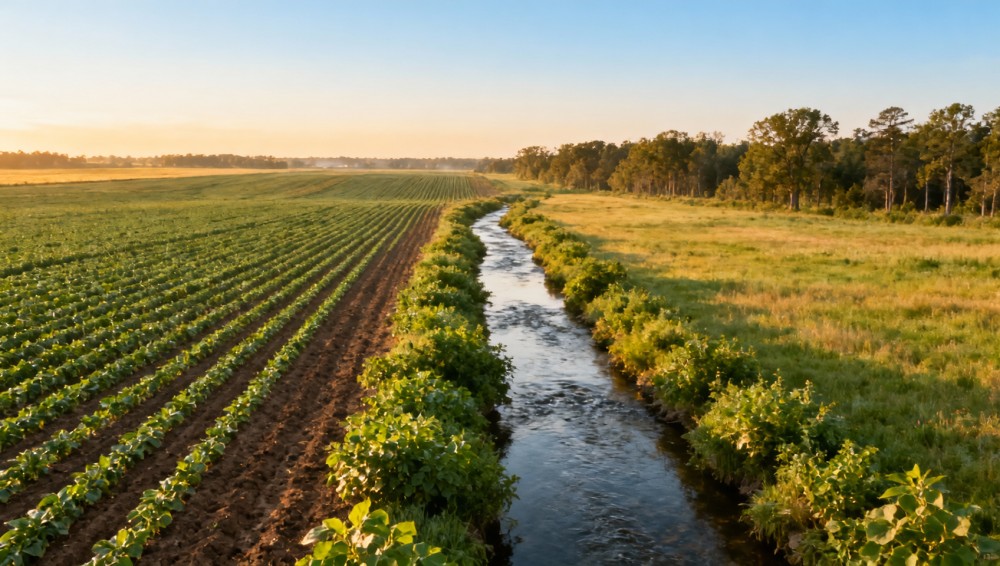
The announced investment will support 42 projects intended to help farmers, ranchers and forest owners improve their operations and increase production efficiency while strengthening natural resource conservation and sustainable development.
Through RCPP, the initiative provides financial and technical support for relevant businesses and producers. Its stated direction links improvements in agricultural performance with the transition toward greener agricultural supply chains.
The supplied information does not specify individual project allocations, participating locations, eligibility conditions, application procedures or implementation schedules.
Potential Effects Extend from Producers to Agricultural Buyers
Producers May Reassess Investment Priorities
Analysis suggests that financial and technical support could help farmers, ranchers and forest owners evaluate operational improvements that also address conservation objectives. Potential effects would arise in project planning, purchasing and the scheduling of operational changes. Producers considering participation should verify the applicable project conditions before incorporating support into budgets or delivery commitments; the announcement alone does not establish access to funding for any particular operation.
Buyers May Seek Clearer Evidence of Supplier Improvements
From a procurement perspective, supported projects could create opportunities to discuss resource conservation and production efficiency with agricultural suppliers. Buyers may wish to distinguish between a supplier’s interest in participating, confirmed project involvement and demonstrated operational results. Any use of project participation in purchasing assessments or sustainability claims would require supporting information appropriate to the claim.
Technical Providers Could See Project-Specific Opportunities
Analysis suggests that businesses offering relevant technical services or operational solutions may encounter opportunities as projects develop. The commercial implications would depend on the activities each project supports and how purchases are organized. Providers should therefore verify technical specifications, purchasing arrangements and delivery expectations before treating the announced investment as confirmed demand for their services or products.
Project Conditions Should Guide Business Preparation
Verify Access Before Building Funding into Plans
As a practical recommendation, interested producers and businesses should check whether a relevant project covers their operations and what conditions apply to participation. The supplied summary does not establish eligibility, funding availability for individual applicants or payment timing. Financial planning should reflect those uncertainties until project information becomes available.
Prepare Records That Can Support Project Discussions
Businesses considering participation could review the operational information and technical documentation available to explain their proposed improvements. Depending on subsequently confirmed project conditions, records concerning production processes, resource use or proposed equipment may help with assessment. These are preparation suggestions, rather than documentation requirements established by the announcement.
Align Procurement and Delivery with Confirmed Schedules
From an execution perspective, producers, buyers and service providers should consider whether proposed changes could affect purchasing schedules or operational availability. Any adjustment to supply commitments should follow verified project milestones. The supplied information offers no basis for assuming immediate equipment orders, completed improvements or changes in agricultural delivery capacity.
Check the Basis for Conservation and Sustainability Claims
As a compliance precaution, businesses should verify what project participation demonstrates before using it in supplier evaluations or external communications. The supplied information establishes no new certification, labeling permission or trade requirement. Any claim about measured environmental or productivity outcomes should be supported separately rather than inferred from the funding announcement.
A Funding Signal Whose Execution Still Needs to Be Observed
Editorial analysis suggests that this announcement is best understood as a policy funding signal supporting agricultural efficiency and conservation. The available information does not establish a new mandatory operating standard or a change to market access requirements.
What deserves closer attention is how the announced support translates into project participation, technical assistance and operational improvements. Further information on project scope, funding conditions and implementation timing could materially affect business decisions. Producer participation and subsequent industry feedback would also help clarify whether the initiative influences procurement expectations across agricultural supply chains.
Business Decisions Should Follow Verified Project Details
From an industry perspective, the investment connects public support for agricultural operations with natural resource conservation objectives. It may create opportunities for producers and relevant service businesses, while giving buyers additional reasons to examine the evidence behind supplier sustainability claims.
The proportionate response is to identify potentially relevant projects, verify participation conditions and assess operational implications as details emerge. Expectations about funding access, purchasing demand and supply chain improvements should remain conditional on confirmed implementation information.
Basis of This Article and Information Still to Verify
This article is based solely on the user-provided news title, event timing information and event summary. The event date was not specified, and no specific official source link was provided in the input. The announcement and subsequent implementation details therefore remain subject to continued verification against official USDA and Natural Resources Conservation Service communications.
Further verification should focus on project details, participation conditions, funding arrangements, technical support, implementation schedules and feedback from participating producers and businesses. The discussion of procurement, documentation, delivery planning and sustainability claims represents analysis and practical recommendations, rather than confirmed program requirements.
Got questions about this industry topic or seeking best practices for your business? Drop us a line below, and let the expert team at AgriTrade help you out.
We respect your privacy. Your information is strictly confidential.
Related News
- 00
0000-00
EU Issues Regulation Restricting Lead in Fishing Gear - 00
0000-00
Agriculture Ministry Calls for Strict Yellow River Fishing Bans and Greener Farming - 00
0000-00
Three Ministries Set Out University Admissions Plan for Rural Revitalization - 00
0000-00
Animal Health Policy News: Disease Reporting and Trade Updates - 00
0000-00
U.S. Food Manufacturing Safety Regulations: Key FDA Compliance Requirements
0000-00
Policy & Regulations Editorial Team
Weekly Insights
Stay ahead with our curated technology reports delivered every Monday.